Open Letter – Increase in Sports Funding
OPEN LETTER from the presidents of twelve national sports federations (ice hockey, football, handball, hockey, judo, climbing, athletics, luge, rowing, skiing, table tennis, volleyball)
3 min readSource: Eishockey.at
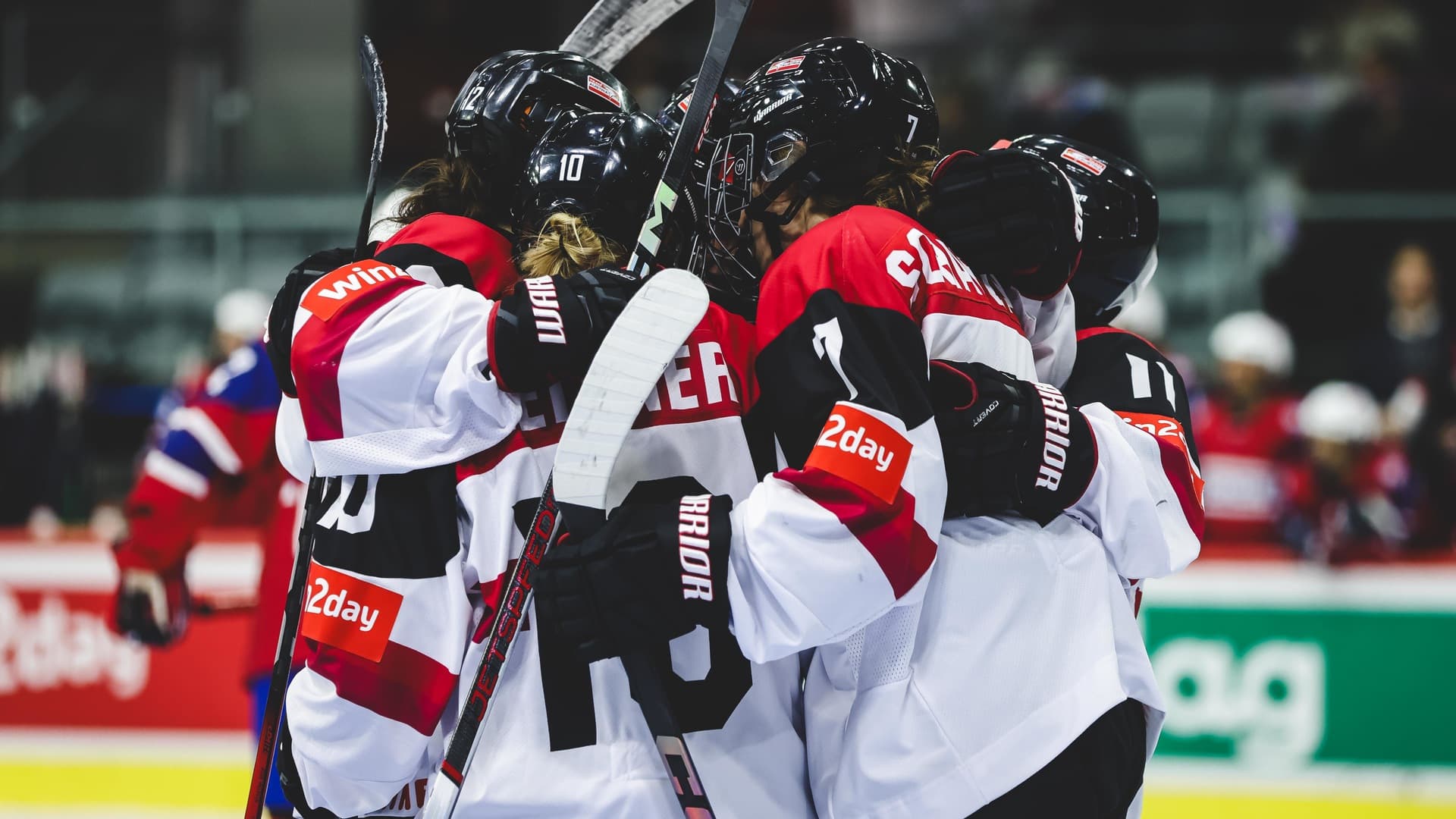
Image information: Copyright GEPA pictures/Manfred Binder
The good news: sport is receiving more money. For the first time since 2013, Austrian sports funding is set to be increased. The signals from the Ministry of Finance and the Ministry of Sport are unequivocal. However, there is as yet no date for when the money will be paid. Nor is it known by how much sports funding will be increased per year.
What was sufficient in 2013 is no longer sufficient today – in times of the pandemic and inflation rates soaring as a result of the Ukraine crisis. In recent years, Austria's elite sports funding has been aligned with and optimised to international standards. Many parameters have proven their worth. But now, in the view of our deliberately diverse group of a total of 12 national sports federations (summer and winter sports, larger and smaller federations), the time has come to significantly increase performance and elite sports funding after 10 years in operation.
“Negotiations are under way and we are confident that the national sports federations will emerge as winners in the end. We stand for an objective, as calm as possible exchange in order to achieve a fair solution for all federations,” confirms ÖFB President KR Gerhard Milletich. “Performance orientation must continue to be the top priority. Sporting success must be rewarded,” adds ÖSV President Roswitha Stadlober. “Particularly during the pandemic, when many sponsors and other sources of income also fell away, it became clear just how essential sports funding in Austria is to maintaining sporting operations within the national sports federations,” says Markus Plazer, President of Handball Austria.
“As one of the national sports federations that lost out overall in the most recent allocation of funding (by Bundes-Sport GmbH), it must nevertheless be emphasised what great progress has been made. The introduction of 4-year cycles was a long-called-for milestone,” states ÖVV President Gernot Leitner clearly. “As soon as many federations are successful, the overall pie is no longer big enough. That is why the funding amount must be adjusted,” says Judo Austria President Martin Poiger.
Austrian elite sport recently sent out a strong signal of life at the Olympic Summer and Winter Games in Beijing and Tokyo, with a total of 25 medals (8 of them gold) and, respectively, the second-best results in Austrian sporting history. This is definitely also a result of the new Sports Funding Act 2017 and the establishment of Bundes-Sport GmbH, which is working on the ongoing professionalisation of sports funding in cooperation with the national sports federations.
We, the national sports federations (specifically: ice hockey, football, handball, hockey, judo, climbing, athletics, luge, rowing, skiing, table tennis, volleyball), value the close and efficient cooperation with Bundes-Sport GmbH, the Ministry of Sport and the office of the Vice-Chancellor and Minister of Sport. Funding in the form of four-year cycles creates predictability, while the clear performance orientation demanded not least by the Court of Auditors ensures transparency and comprehensible parameters.
This largely positive interim assessment after five years of practical application is intended to underline that the responsible bodies have taken the right path. The required ongoing professionalisation of the national sports federations has unquestionably taken place.
- The performance orientation of Austrian sports funding must not be called into question under any circumstances. This also corresponds to the explicit recommendation of the Court of Auditors.
- Medium-term predictability (four years – an Olympic cycle) is a prerequisite for remaining competitive internationally.
- After 10 years at the same level, performance and elite sports funding needs to be adjusted or significantly increased in order to meet rising requirements. Negotiations are under way.
- As national sports federations, we also see it as our duty to continue advancing the path of gradual professionalisation that has been embarked upon.
Signatory national sports federations (in alphabetical order):
Austrian Ice Hockey Federation: Dr Klaus Hartmann
Austrian Football Association: KR Gerhard Milletich
Austrian Handball Federation: Mag. Markus Plazer
Austrian Hockey Federation: Mag. Walter Kapounek
Austrian Judo Federation: Dr Martin Poiger
Climbing Federation Austria: Dr Eugen Burtscher
Austrian Athletics Federation: Mag. Sonja Spendelhofer
Austrian Luge Federation: Markus Prock
Austrian Rowing Federation: Mag. Horst Nussbaumer
Austrian Ski Federation: Roswitha Stadlober
Austrian Table Tennis Federation: Ing. Wolfgang Gotschke
Austrian Volleyball Federation: DI Gernot Leitner